
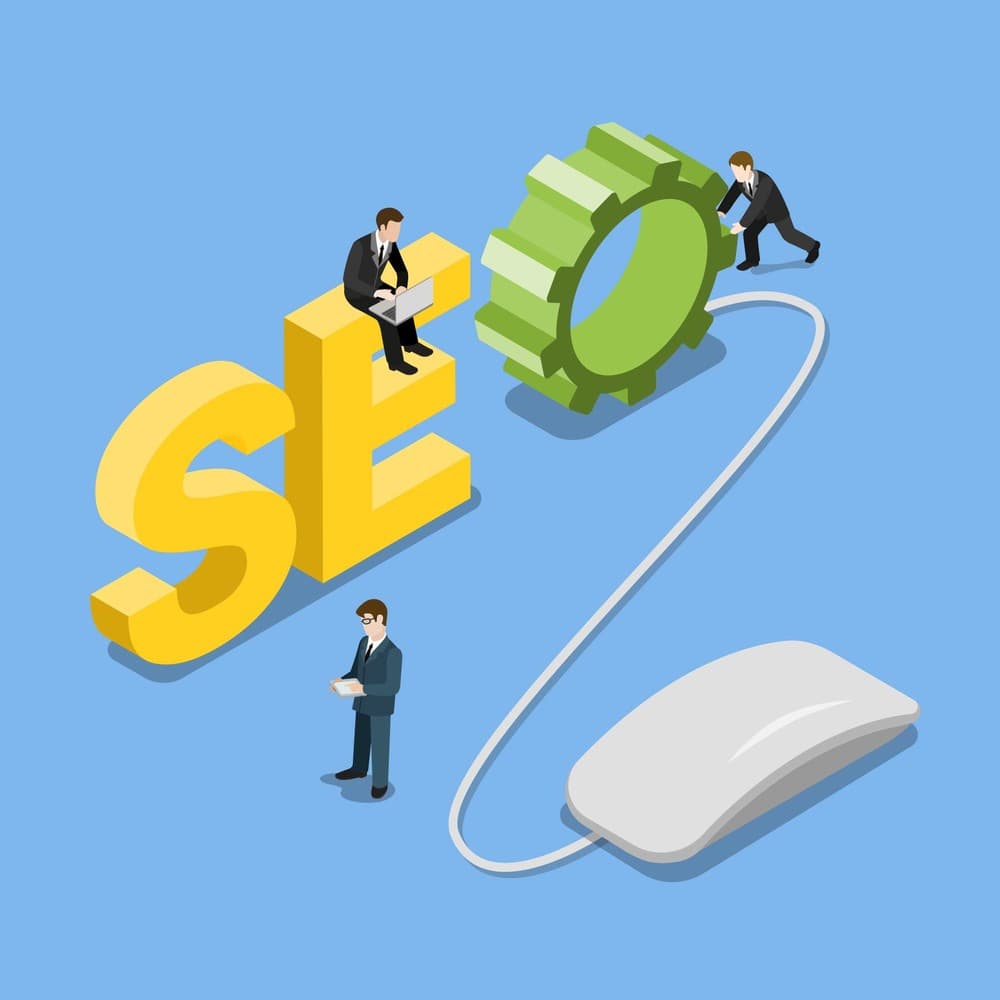
What Is Technical SEO?
Technical SEO is the technical work of structuring and optimizing a website so search engines can crawl and classify it more easily. What clearly sets it apart from on-page SEO is that technical SEO is the foundational work that enables smooth communication between Google's bot and your site.
Technical SEO raises your SEO score on search engines and improves user experience, making it easier to rank high on the search engine results page (SERP).
SEO work falls into three broad categories: on-page SEO, off-page SEO, and technical SEO. Among these, technical SEO helps search engine crawlers index page content more clearly and surface that information to the right people.
Site Structure Optimization
To help crawlers easily understand your site's structural hierarchy, mark up your URL structure clearly and concisely by level and by page, and configure your sitemap and robots.txt file.
Clean, clear URLs: Build URLs in a way that prevents duplicate content and is easy to understand, and make it clear where the page sits within the site. It is also good practice to structure URLs using core keywords and the page name.
ex) A page on the 238lab site that collects e-book products
A detail page on the 238lab site that sells an e-book
A Wikipedia page explaining 'top-level domains'
A sitemap is a file that lists all the pages and important content on a website. The sitemap covered in technical SEO is the XML sitemap. Its main purpose is to help search engine crawlers quickly understand and index your site structure.
The 'robots.txt' file is, in simple terms, a text file located in the website's root directory that grants search engines permission to access pages. Allowing page access through 'robots.txt' is fundamental to SEO, because search engines can only crawl and index pages they are permitted to access.
Mobile Optimization
Since more than 50% of devices accessing a page are mobile, building your page with 'responsive design' that renders an optimized layout on both web and mobile delivers a good user experience and earns a high SEO score.
ex) Example of a 238lab responsive website build
 Page Load Speed
Fast page load speed delivers a good user experience, which earns a strong SEO score. Load speed refers to how fast a page opens when accessed. You can optimize page load speed by optimizing image dimensions and file size and by compressing and minifying code.
Recommended image sizes for page optimization
1920px-wide banner: under 500kb
700px-wide carousel: under 200kb
400px-wide image: under 100kb
64px-wide flat icon elements: under 50kb
Security (SSL Certificate, HTTPS)
Apply an SSL certificate across your site to use the HTTPS protocol, protecting user data and increasing search engine trust. SSL stands for "Secure Sockets Layer," and SSL activates the HTTPS (HTTP Secure) protocol. In short, it encrypts data between servers to protect personal information and prevent theft and hacking of user data.
Because it protects the data of users active on the site, it earns a strong SEO score. It falls within the domain of a 'trustworthy site' and can be seen as a foundation for SEO.
Fixing Site Errors and Issues
When a user lands on a nonexistent page via an incorrect URL, a 404 page ("Page not found.") is displayed. Find these error pages and fix them to route to the correct page, or if a fix is difficult, send the error page to the desired URL with a '301 redirect' to prevent traffic loss.
Image and Video Optimization
To ensure images on a page are well structured and indexed, write keyword-based image ALT tags and structure image file names to support smooth crawling.
Efficient Internal Linking
Use navigation bars, text links, image links, buttons, and more to link efficiently within your site so customers can reach the information they need. Structuring internal links has a positive effect on user experience, which earns a strong SEO score on search engines.
Technical SEO is the process of structuring your website so search engines can understand it more easily and quickly. It is the foundational work for earning a strong SEO score, having content classified clearly, and surfacing well on the search engine results page, so it is best to complete every step for search engine optimization.

About the Author
Liv: SEO Consultant / Publisher
SEO specialist planner and designer responsible for SEO content strategy, website structure optimization, and search-engine-friendly UX/UI design. Former: UX/UI Design Team Lead Current: SEO Content Design Team Lead at 238lab