Ask how many names your company has and it sounds like an odd question. One company, one name; that's the natural assumption. But look through enough websites and you'll find that isn't always the case.
When an inquiry comes in, we review the website the person left us before we call them back. It's to get a rough sense of what state the site is in and to work out what to talk about first.
Not long ago I was looking through one company's site this way. Nothing stood out at first, but a few pages in, something odd caught my eye. The company name kept changing. As I checked each one, at some point I realized I was counting company names.
1. Four company names?
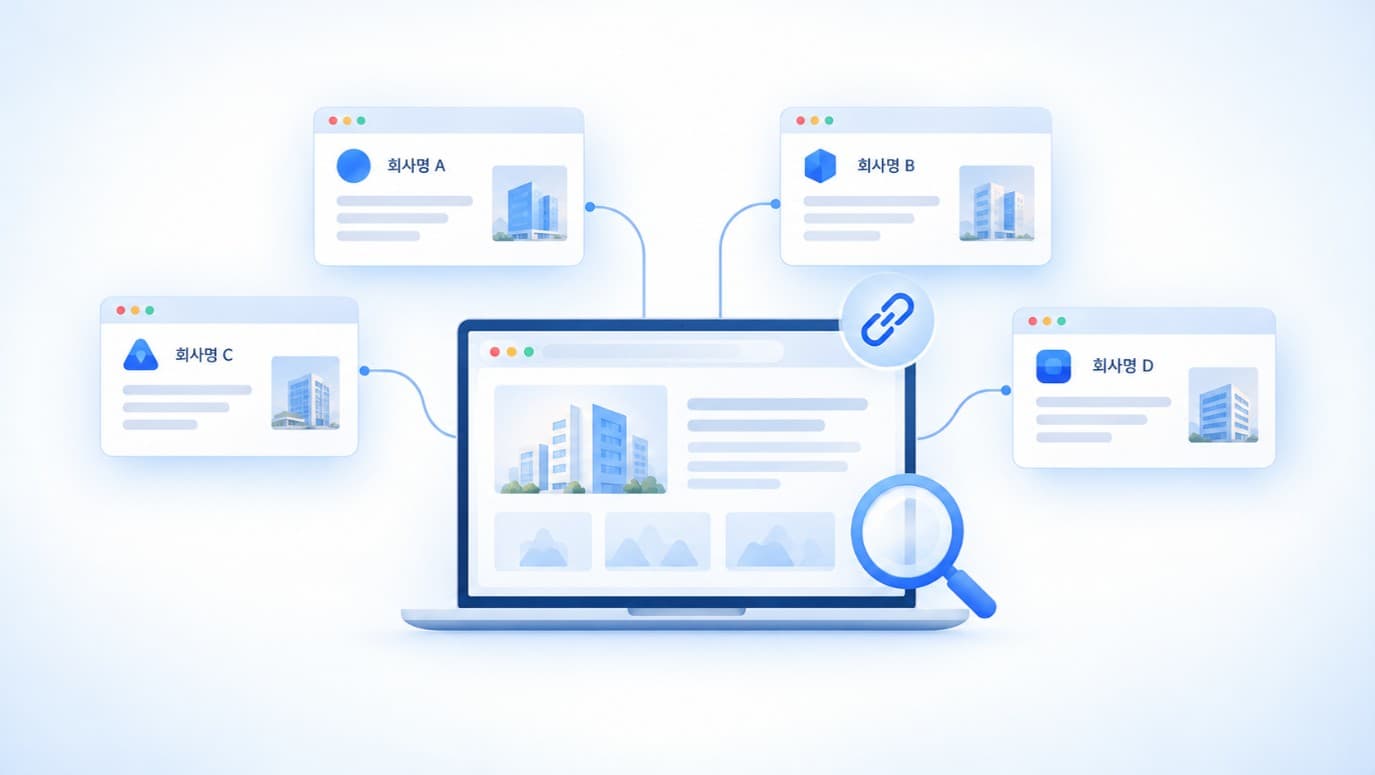
I'd been given one website address, and the main page showed one company name. But the further I went, another name appeared, one after another. The name on the main page didn't match the one in the footer, and the domain contained yet another name.
Other pages showed a different name again. When I counted them all, there were four.
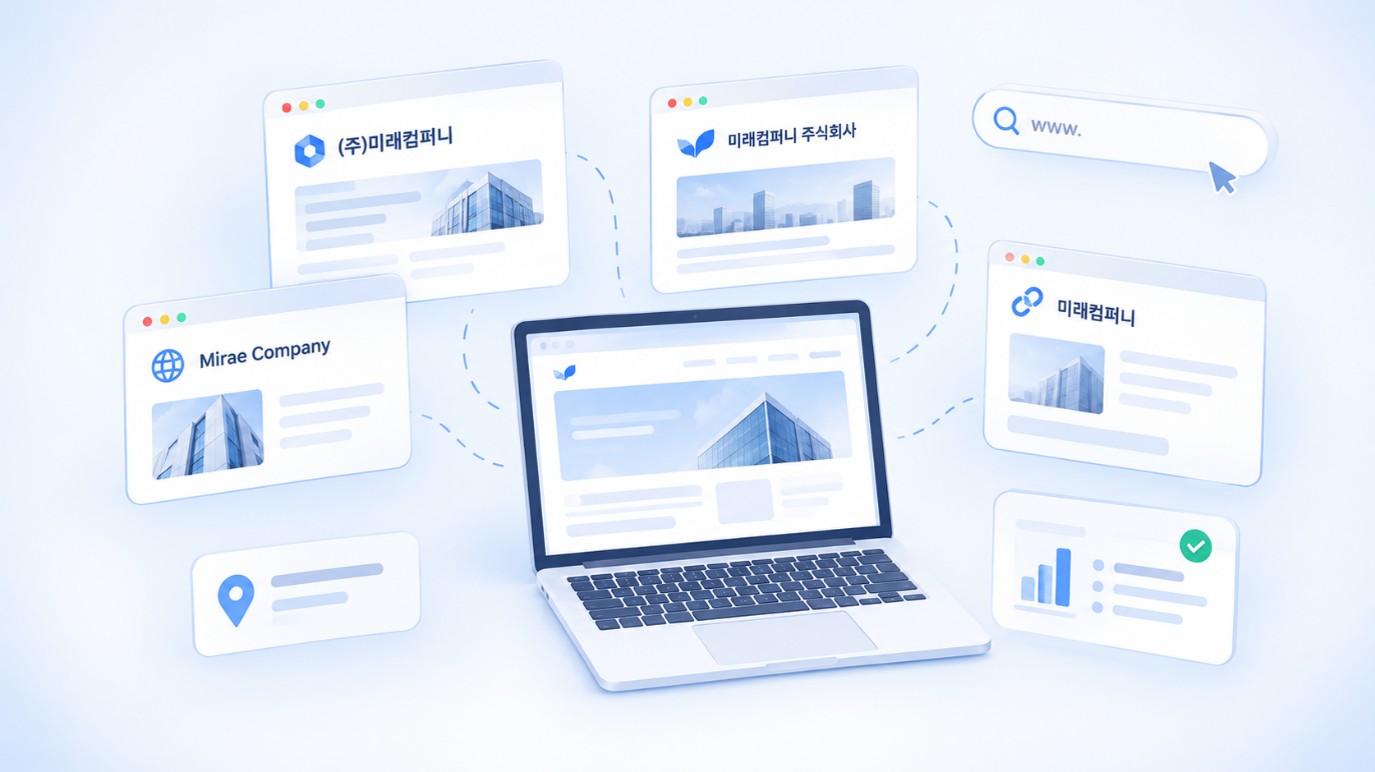
It wasn't just the names. The website said the company was located in District A, but an external business information site listed it in District B. The company name and address had been left here and there, each in a slightly different form.
By then I was curious myself: "How many names does this company actually have?" When I asked carefully during the call, the person in charge answered right away.
"Yes, they're all the same company." Naturally, nobody inside the company is confused.
They all know which name is the old one and which name is in use now. The question was whether it looked that way from outside the company.
2. Do search engines and LLMs recognize them as the same company?
For a person, it isn't hard. If the logo is the same, the phone number is the same, and the site talks about the same products and services, you quickly realize it's the same company even if the name varies a little.
But when we look at a website, we look at it a bit differently. The fact that a company has several names isn't a problem in itself.
Plenty of companies use an English name or an abbreviation alongside their official name. What matters is whether each name, address, and domain is sufficiently connected to the fact that they all point to a single company.
If the website uses name A, another page says B, and an external source presents yet another address as if it were the primary information, that relationship is worth checking first. What we look at is less the number of company names than how those pieces of information connect to one another.
Cases like this aren't especially unusual. Four company names is rare, but sites where the information has split into slightly different forms are something we see more often than you'd expect.

On another site, the company name displayed on screen was fine, but the structured data contained a company name with a different English spelling. Since it's an area people don't normally check directly, the operators had never noticed.
In another case, we'd been given only the address of an online store, but it turned out there was a separate brand site, and looking at the two sites didn't make the relationship between them clear. In reality the same company ran both, but judging from the sites alone, they could look like two separate entities.
Then there are sites that open at multiple addresses: both the www and non-www versions load, or a test address used during development is still live. Rather than the mere existence of multiple addresses, what needs checking is whether the primary address has been clearly established.
In most cases, none of this was done on purpose.
From the operator's point of view, the same screen appears no matter which address you enter, and they know every variation of the name is their company, so the problem is hard to notice. That's why these discrepancies usually go unnoticed until someone deliberately looks for them.
At this point you might think that having several company names is actually good, since the company can be found under more names.
But from the perspective of search engines and LLMs, you need a different view. More important than the number of names is whether it's clearly explained which name represents the company and how the other names relate to that primary name.
Example:
A-One Co., Ltd.
A-One Inc.
A-One Corp.
A-One Corporation
 The same goes for identical content that opens at several addresses. Multiple addresses aren't an immediate problem, but if the canonical signals that identify the primary URL haven't been established, the search engine's process of deciding which address to treat as the reference can also become more complicated.
Company information works the same way. A former name, the current name, a brand name, and an English name can all exist at once.
But if these pieces of information are scattered across the web with no connection between them, an outdated company name or address can resurface in search results or AI answers. The point isn't to use only one name; it's to make the relationship sufficiently clear, so that even with several names, they are evidently the same company.
3. What we check before expanding content
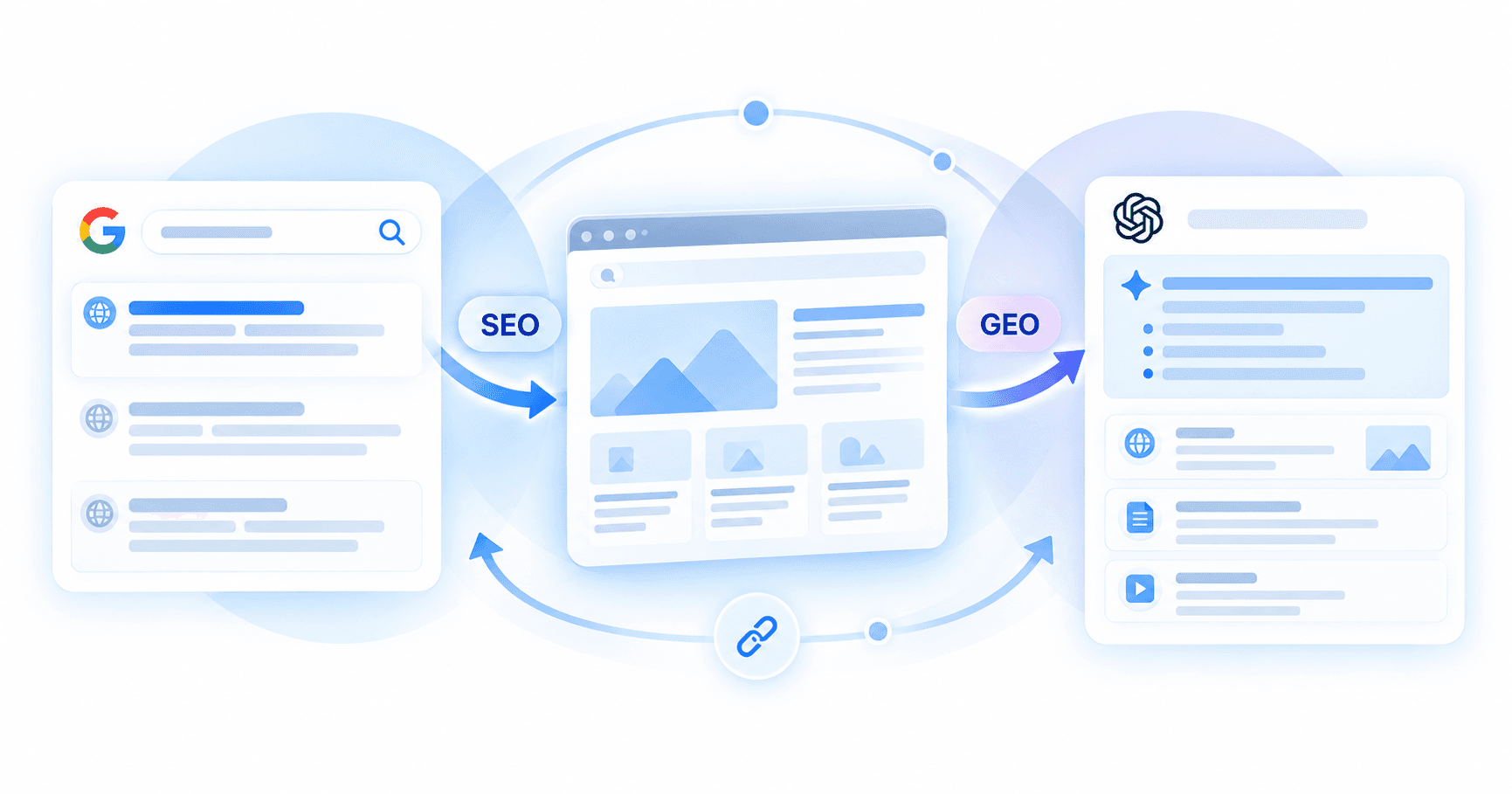
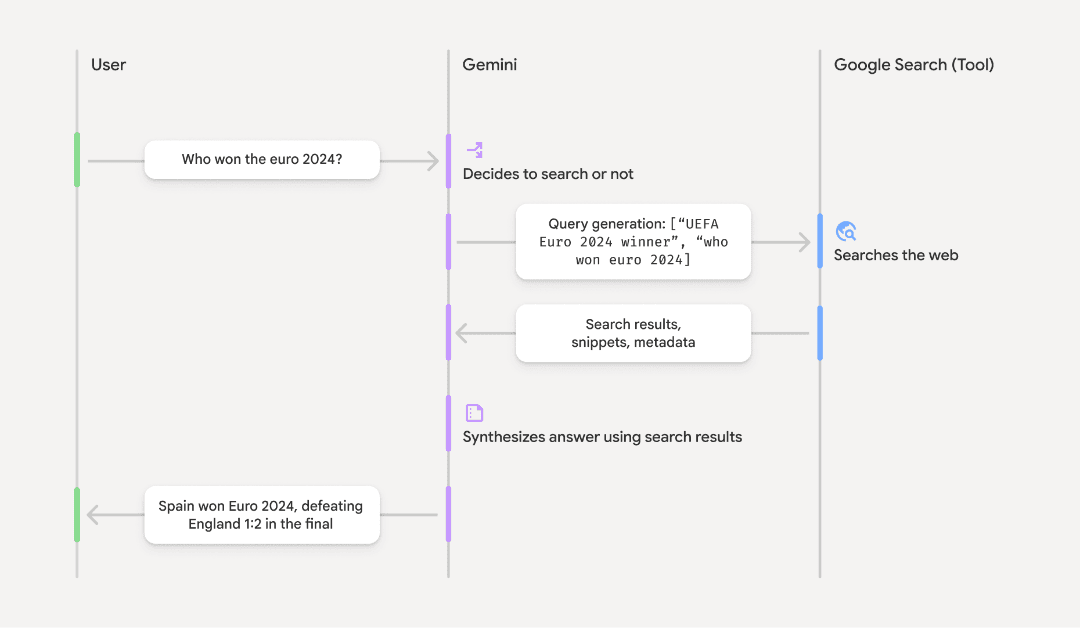
People who contact us about GEO mostly want similar results. They want the company to be mentioned when someone asks an AI like ChatGPT or Gemini about their industry, or they want accurate information in the answer when someone asks about their company. So the first thing that comes to mind is content, such as blog posts and columns.
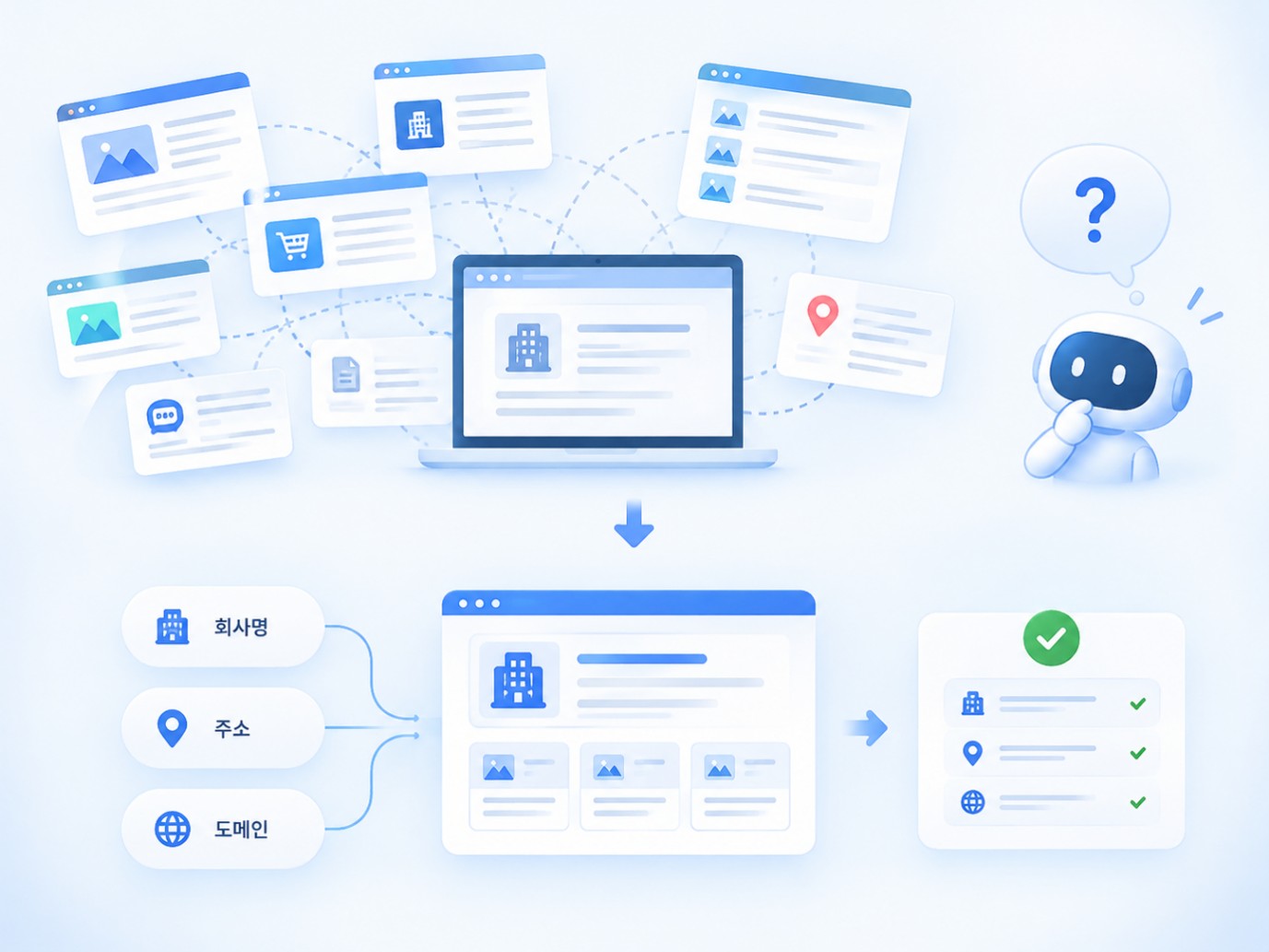
Content matters, of course. But if AI search is part of the picture, you also need to look at how the information related to the company connects together.
If the website uses name A while name B lingers elsewhere, and there are several addresses that could pass for the official site, then organizing the information you already have may need to come before deciding what else to publish.
That's why, in actual consultations, we often check how already-public information like the company name, address, and primary domain connects together before we talk about content.
Continuously creating new information and consolidating existing information into a single company are different tasks, and which one comes first can differ from site to site.
If you want to check for yourself, there's no need to start with anything complicated. Just look at how the Korean name, English name, and abbreviation are written across your website, which addresses the site opens at, and whether the company information in the footer matches what can be found externally.
As you look, you may find one or two spots where you think, "Why is this different?" But something being different doesn't automatically mean it's wrong. It's better to first find out why it was set up that way.
4. Finding a problem doesn't mean we fix it right away
In actual consultations, even when we find something like this, we don't immediately say "this has to go." We first ask why it was built that way. In practice, many of these structures became complicated not through neglect, but because things were added one by one in an effort to do better.

One company was running a separate site, nearly identical to its existing one, to strengthen local search.
The goal of capturing searches in a specific region was understandable in itself.
But the two sites had mostly similar content, and the structure risked making it unclear which site would be the center of content going forward. So rather than removing the site right away, we discussed building a structure within the existing site that could capture local search demand over the long term.
There was also a young brand running its online store and its company site separately. In that case, we didn't suggest merging them simply because there were two sites.
Since the product lineup was still small, the order we proposed was to first organize the information and structure of the company site, give the online store the basic settings it needed, and then connect the two sites naturally afterward. In the end, what mattered wasn't how many sites there were, but whether it was clear why they were separate and what role each one played.
5. Even with several company names, the relationship has to be clear
Having several company names, or two websites, isn't wrong in itself. What matters is whether the relationship between each name and each site is sufficiently explained. That's also why we look at the company name, address, and domain on the existing site before we talk about new content.
So how many different company names are in use on your website right now? Count them once, and you'll find it's easier to check than you might think.

About the Author
Liv: SEO & GEO Consultant / Publisher
SEO specialist planner and designer responsible for SEO content strategy, website structure optimization, and search-engine-friendly UX/UI design. Former: UX/UI Design Team Lead Current: SEO Content Design Team Lead at 238lab