
Rethinking the Essence of Content SEO
Content SEO is not simply about writing good articles and placing target keywords in the body text. As of 2025, Google determines search visibility rankings based not only on structured content that matches user search intent, but also on the overall expertise and trustworthiness of the entire site. Therefore, content SEO should be viewed not as one axis of technical SEO, but as the Core of the entire SEO strategy. In other words, content SEO is the key strategy that determines search performance. Particularly in B2B and high-involvement product categories, the strategic completeness of content SEO directly leads to lead generation, making it a marketing element that demands even greater attention.
The Starting Point of Content SEO
When producing columns or content, the approach varies depending on the industry or objective. However, SEO content must start from 'keyword research.' This is not simply to insert keywords into the body text, but to align the direction of the entire content strategy with the target keyword.
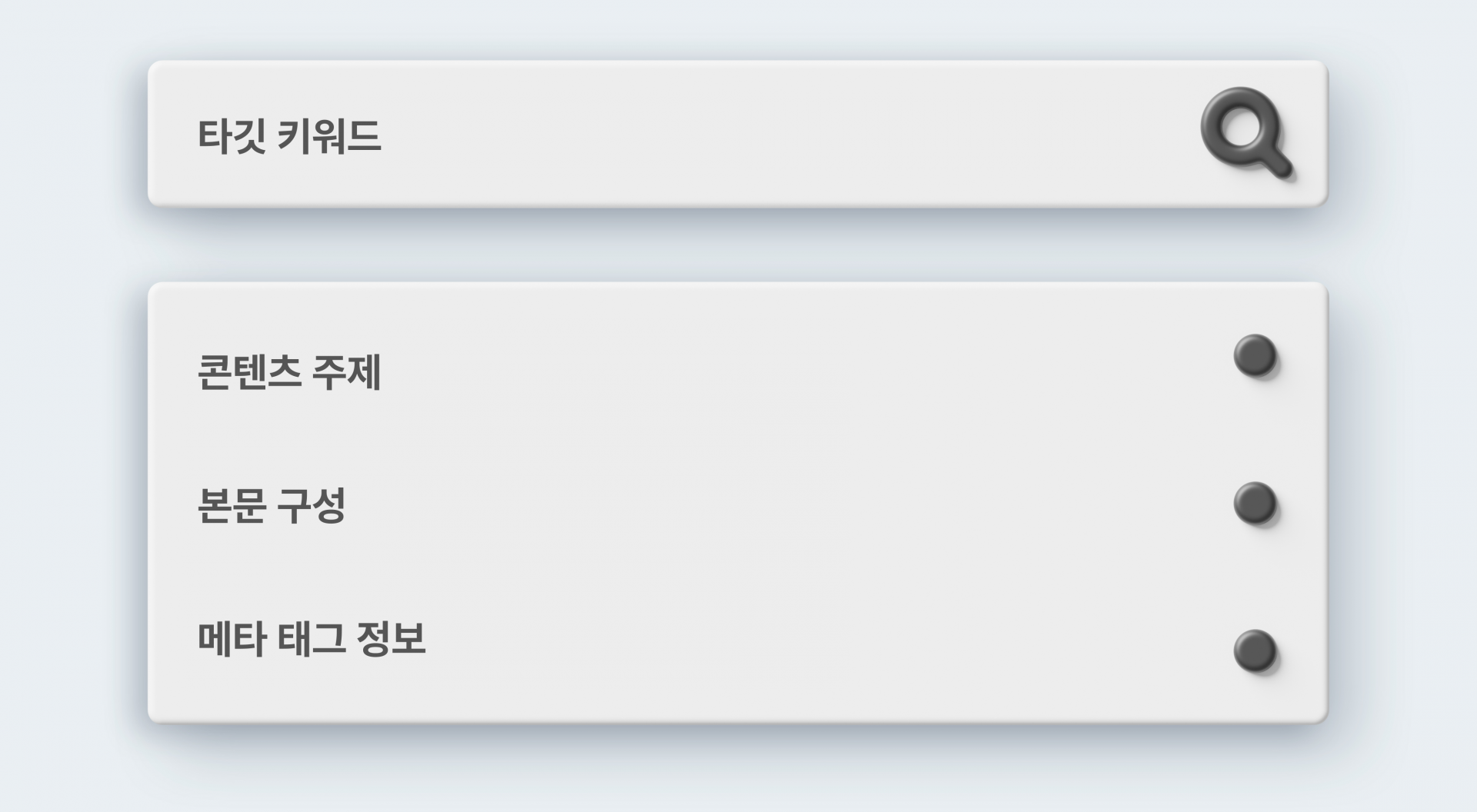
The purpose of SEO content is clear: to appear at the top of the SERP (Search Engine Results Page) for the selected target keyword and drive clicks from search users. To achieve this, every element-from the content's topic, title, body structure, and visual materials to meta information-must be organically connected around that keyword.
Keyword Strategy: From Keyword Selection to Understanding Search Intent
1. Keyword Selection: A Purpose-Driven Strategic Choice
When selecting SEO target keywords, you must first clearly define the purpose: 'what do you want to achieve by owning this keyword?' Rather than simply choosing keywords with high search volume, you need a process of identifying whether the keyword is connected to your business direction and ultimately aims to drive customer action (clicks, exploration, inquiries, purchases, etc.).
1) Keyword Purpose Types: Classification Based on Search Funnel and Action Intent
To establish an efficient SEO content strategy, you should organize keywords by purpose according to user search intent and behavioral journey (funnel stage) rather than dividing them by search volume. This is closely connected to the AIDA model (Attention-Interest-Desire-Action) and the TOFU-MOFU-BOFU funnel structure.
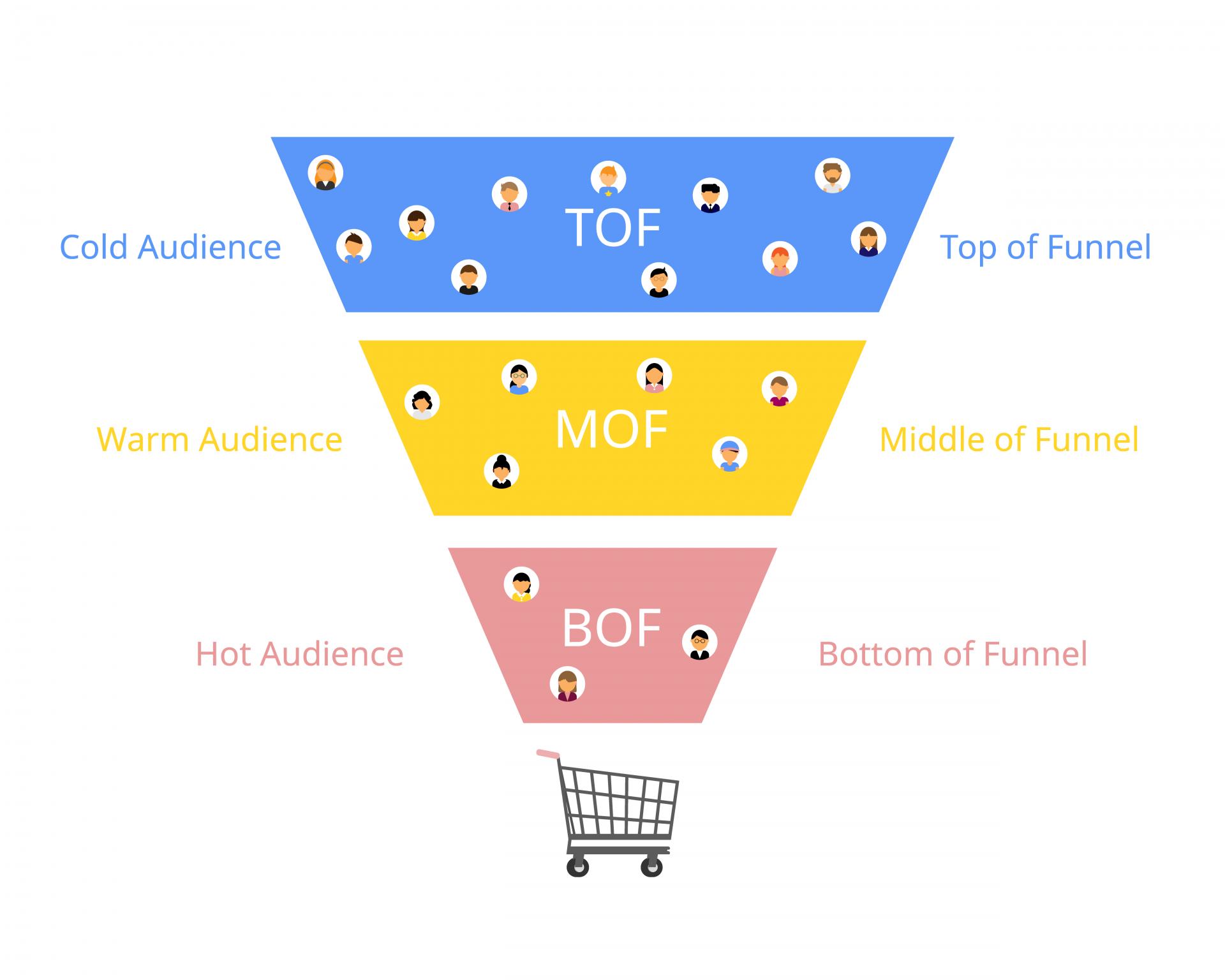
| Funnel Stage | User State | Corresponding Keyword Type |
|---|---|---|
| TOFU (Top of Funnel) | Problem awareness stage | Brand awareness building |
| MOFU (Middle of Funnel) | Information research/comparison stage | Search space occupation |
| BOFU (Bottom of Funnel) | Just before purchase/inquiry stage | Conversion driving |
① Conversion Driving (Service Discovery Keywords) - BOFU Stage
- Search Intent: Transactional or Commercial Intent (commercial-purpose searches that drive direct action such as purchase or consultation)
- User State: Bottom-funnel users searching for a specific service with high immediate conversion potential
- Conversion Flow: Search → Landing page → Consultation request or inquiry conversion
- SERP Characteristics: Includes ads, CTA buttons, business listings, location-based service exposure
🔎 238LAB example keywords: SEO agency, SEO outsourcing, search engine optimization company, SEO consulting
→ In practice, these are classified as bottom-funnel keywords with high CPC and conversion rates in Google Ads, GSC, Ahrefs, and similar tools.
② Brand Awareness Building (Information-Based Top-Funnel Keywords) - TOFU Stage
- Search Intent: Informational Intent (searches aimed at finding information, exploratory search behavior that appears when users want to learn more about a specific topic or problem)
- User State: Early exploration stage where users recognize a problem and search for solutions
- Conversion Flow: Content exploration → Brand awareness → Retargeting or revisit inducement
- SERP Characteristics: How-to blogs, expert guides, FAQs, PAA (People Also Ask)
🔎 238LAB example keywords: content SEO methods, Google top-ranking strategy, Google SEO methods, technical SEO
→ Keywords that contribute to building brand trust by establishing expertise, forming the foundation for converting prospects who arrive via content into brand fans
③ Search Space Occupation (Long-Tail Keyword-Focused Strategy) - Between MOFU~BOFU
- Search Intent: Information research or problem-solving, including some purchase comparison intent
- User State: Looking for solutions that fit specific situations or conditions
- Conversion Flow: Fast SERP entry → Click inducement → Information delivery → Conversion or lead acquisition
- SERP Characteristics: Low competition and low SERP volatility, making top-ranking entry highly achievable
🔎 238LAB example keywords: SME SEO consulting, B2B SEO content production methods, Naver SEO improvement strategy, finance industry SEO success cases
→ Although search volume is low, these can reach users with clear intent, making them effective for securing search space in the early stages of SEO performance.
As shown, target keyword selection should not consider only search volume; it must be strategically filtered according to the customer's journey stage and the action you want to drive. Furthermore, taking time to solidify the business meaning of executing content SEO through this keyword filtering process also helps with KPI setting and long-term performance tracking. In other words, classifying keywords by purpose and planning content that matches search intent is the key strategy for converting SEO performance into actual business growth.
2) Using Keyword Analysis Tools
Once keywords are selected, use search engine-specific keyword analysis tools to check keyword data such as search volume, competition, and related keywords.
- Google Keyword Planner: Monthly search volume, competition
- Keyword Master / SEMrush / Ahrefs: Related keywords, LSI keywords, SERP analysis
- Naver Keyword Tool (Search Advisor): For responding to domestic search trends (when targeting B2C or Naver, Korea's dominant search engine)
How to Identify Search Intent: Reading the Behavioral Psychology Behind Keywords
Through the earlier classification of keyword purpose types, we examined how search intent divides into informational, service discovery, conversion driving, and other types. Now let's look at specific methods for how to identify user search intent for each keyword in practice.
1. Identifying Search User Intent
The most fundamental and orthodox method of identifying search intent is 'directly analyzing the SERP (Search Engine Results Page).' By checking what type of content appears at the top when searching for a specific keyword-that is, what information the search engine judges to be most relevant for that keyword-you can infer the user's expected behavior.
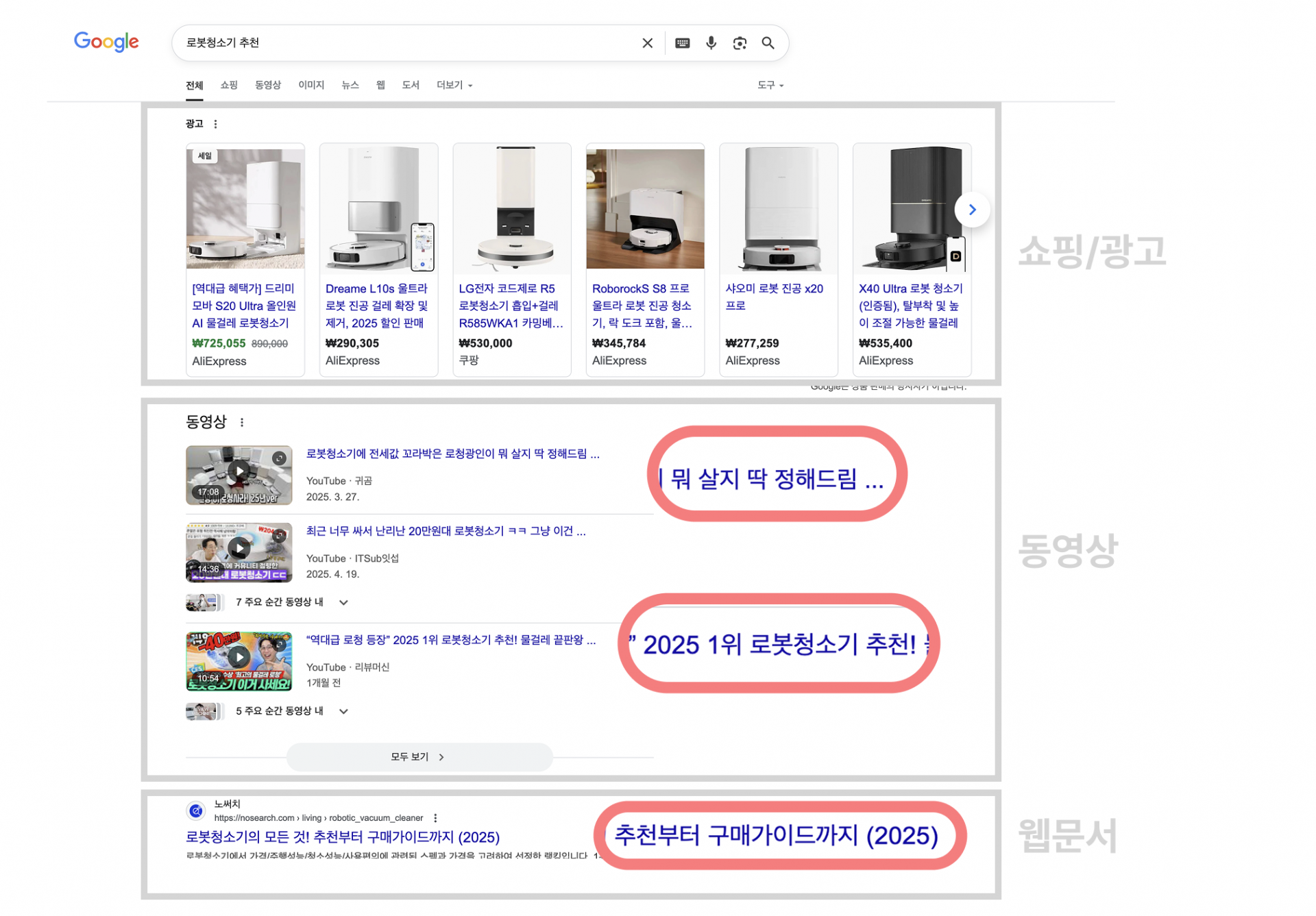
For example, when you search for the keyword "robot vacuum recommendations," the shopping product area (including ads) appears first, followed by YouTube video reviews, then product comparison and purchase guide content. When the SERP is structured around products like this, you can tell that users are expecting comparisons and recommendations to make an actual purchase decision rather than simple information research.
On the other hand, the SERP for the keyword "diet methods" is structured completely differently. What appears first is informational summary content such as Google AI Overviews or official guides, with blog-style explanatory content or encyclopedia-type pages appearing below. When search results are structured primarily around substantive information delivery like this, you can conclude that users have a strong intent to research information such as actionable methods, tips, or principles rather than to purchase.
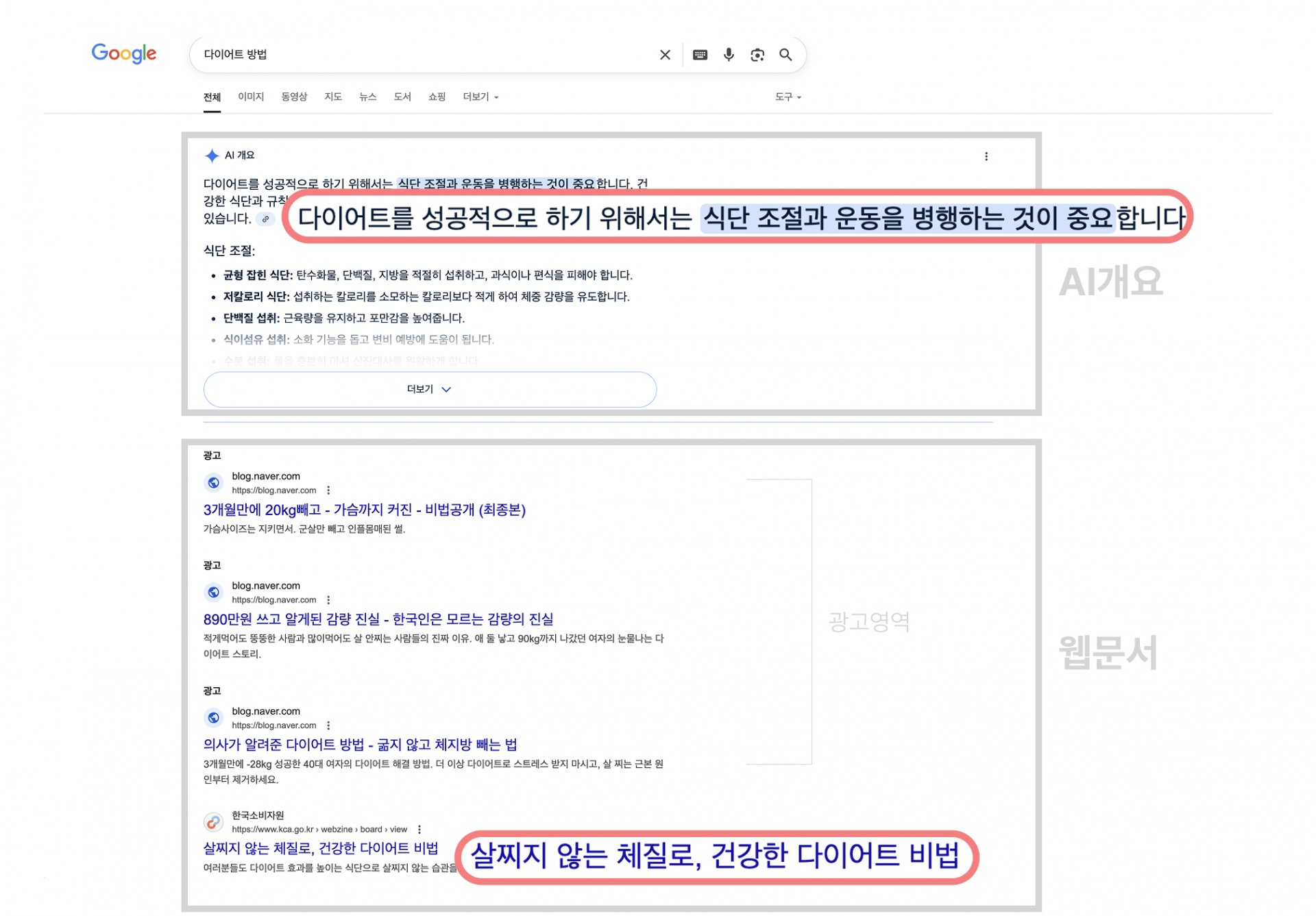
Thus, SERP composition is the data that most intuitively reveals user search intent. Whichever keyword you choose, before producing content you must directly analyze that keyword's SERP and tune everything-from content format and topic depth to CTA approach-to match searcher expectations.
2. Understanding the Keyword Context as Judged by Search Engine Bots
As mentioned above, the most direct way to identify search intent is to examine actual user behavior flows and search results. However, from an SEO content perspective, understanding what context and meaning the search engine assigns to a specific keyword also helps in identifying search intent. A representative method you can use here is TF-IDF analysis.
'TF-IDF (Term Frequency - Inverse Document Frequency)' is a technique that quantifies how frequently a specific word appears within a single document and how rarely it appears across the entire document set, in order to judge how important that word is within the document.
With TF-IDF analysis, you can identify the words repeatedly used in content ranking on page 1 for a given keyword, allowing you to infer the topics or expressions that the search engine considers important in relation to that keyword. In other words, rather than simply seeing which words appear frequently, it provides clues for understanding what topic structure and meaning the search engine expects for that keyword.
Through TF-IDF analysis, you can reverse-engineer the search engine's evaluation criteria. Using this data, you can infer the keyword intent the search engine bot has grasped, and write structured content that matches the intent of both users and bots.
Can the Selected Keyword Be Shown to Users First?
1. SERP Exploration: A Layer-by-Layer Strategy for the SERP
Google's search space is composed of a complex interface where various formats coexist-knowledge graphs, People Also Ask (PAA), image/video/news tabs, shopping ads, and more. Therefore, in SEO it is important to check what tabs make up the first section of the target keyword's SERP.
For example, if the very top of a specific keyword's page is composed of a shopping area or video review section, no matter how high your web document content ranks at number one, it becomes difficult for users to reach the content, creating limits on securing CTR (click-through rate). In other words, content ranking alone-without considering the search space-is hard-pressed to guarantee real traffic effects.
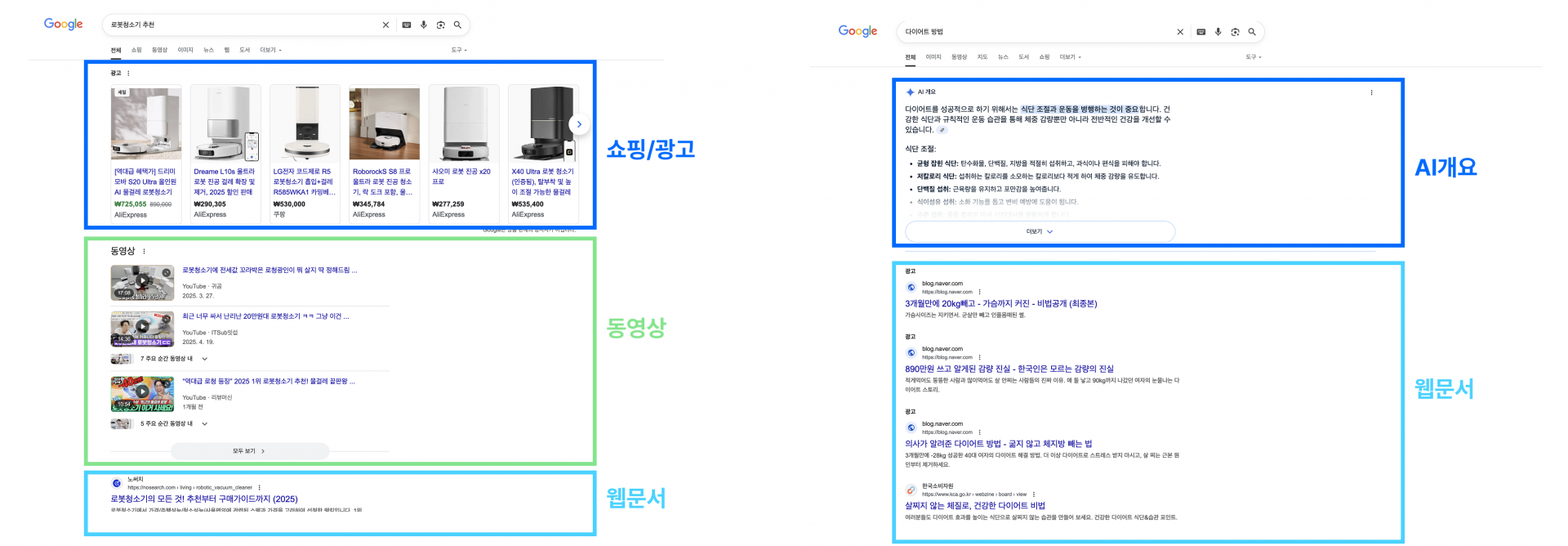
Therefore, it is best to first identify the page type of the target keyword through search space optimization, and then structure a content format suited to that page (e.g., FAQ, list-type, expert column, content with infographics, etc.).
Considering Overall Category Placement: Pillar Structure vs. Sub-Content
The search visibility performance of a single piece of content is deeply related not only to its own quality, but also to how it is categorized within the website-that is, the site structure. For example, when covering the topic 'content SEO,' it is best to decide early in content planning whether to structure this topic as a single independent page or include it as sub-content under a larger topic like 'SEO strategy.'
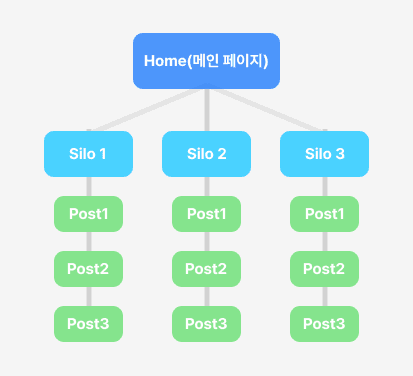
This is the structural SEO strategy known as the 'pillar-cluster structure.' Also called the Silo structure, it is a method of setting a central topic (pillar content) and hierarchically connecting related detailed topics (cluster content) beneath it. When this structure is well designed, search signals (traffic, links, keyword relevance, etc.) scattered across multiple pieces of content can be concentrated into the top-level topic page-creating what is known as 'Link Juice.'
A caution to note is that link juice is not formed simply by indiscriminately adding many internal links. You must connect them strategically by considering what content and context the page is linked with, and what position and role it holds within the site, so that the search engine can better understand and evaluate the page's topic and the overall site structure.
Cautions When Selecting Content Topics: YMYL and EEAT
Once you have selected appropriate keywords as above, you now need to set the direction of what topic of content to produce with those keywords. If you have selected keywords that match the search intent and funnel purpose explained earlier, the content topic is, in effect, already largely determined.
For example,
- Search Intent: Informational
- Funnel Stage: Top funnel (TOFU, brand awareness stage)
- Selected Keywords: "Google SEO methods," "content SEO strategy," "Google top-ranking methods"
- Content Topic: Produce a practical SEO guide column to demonstrate expertise to prospects interested in search engine optimization
- Intent Connection: Provide accurate and useful information to users seeking problem-solving information → Secure brand trust (purpose)
When you set content topics to match search intent and funnel purpose like this, you can reach more precise targets and achieve substantive conversions than when simply selecting high-search-volume keywords.
In addition, let me briefly introduce Google's YMYL (Your Money or Your Life) concept and E-E-A-T (Experience, Expertise, Authoritativeness, Trustworthiness) as elements to consider from an SEO perspective when deciding content topics.
YMYL refers to topics that can significantly impact a user's finances, health, safety, quality of life, and so on, while E-E-A-T is the evaluation framework Google references to judge how trustworthy the content is.
If your selected content topic falls under YMYL, it must meet correspondingly higher E-E-A-T standards to have a high probability of appearing at the top. Therefore, keep in mind that if a content topic falls under YMYL, content planning that secures appropriate trustworthiness and expertise is required.
Structured Writing: Design for Both Bots and Humans
Published content is read by people, but also by search engine bots. Therefore, SEO content requires two-sided optimization that considers both the user (UX) and the crawler (bot).
Writing for people is something you, who write the content directly, already instinctively understand well. Text that reads smoothly without obstruction, content that clearly contains the desired information, highly readable fonts with appropriate text size and letter spacing-optimization is possible when thinking from a user experience (UX) perspective.
However, while search engine bots consider such user experience as an SEO evaluation factor, they also grasp the logical flow and topic of content based on HTML structure and tags. When people read content, they understand the hierarchy and content structure through visual elements such as font size, weight, paragraph breaks, and image size. Conveying this structural clarity clearly in the bot's language is the heart of technical SEO-that is, structured writing.
Technical SEO Elements That Aid Crawler Understanding
- Heading Tags (H1~H3): Used to express the logical structure of content; it is good to naturally include core keywords in each section. As a rule, use only one H1 per page.
- Image ALT Tags: Since bots cannot directly recognize images, you should clearly enter the image's meaning or description in the ALT attribute to supplement the content context.
- Title Tag & Meta Description: Elements that determine the first impression in search results; place core keywords at the front and compose copy that drives clicks.
- Internal Link Design: Through natural connections between related content, you can strengthen the site structure and guide the user's exploration flow. Here, it is important to write anchor text (the text the link is attached to) naturally to fit the context rather than simply inserting keywords.
- URL Structure Optimization: URLs are signals that convey a page's topic and structure to both search engine crawlers and users. A structured URL has a direct impact on improving crawling efficiency and content comprehension.
- Use English slugs (e.g., /content-seo-guide) Using short, intuitive English keyword-focused slugs rather than Korean is more crawler-friendly. e.g., /content-seo-guide
- Remove unnecessary parameters Tracking parameters such as '?ref=123&ver=2' can cause duplicate content issues, so canonicalization or removal is needed.
- Keep category inclusion consistent The category path within a URL should reflect the information structure but be maintained in a consistent pattern across the entire site.
Example: https://example.com/seo/content-seo
Link Building: Internal Links
There is one more element I want to mention in content SEO: link building. Among these, since this column focuses on content SEO, I will explain only internal links, excluding external links.
Like the Link Juice concept mentioned earlier, structurally well-designed internal links serve as a means to concentrate search signals and value on a specific page. In other words, you can use link building as a strategy to drive ranking increases for key pages, improve indexing speed for newly created pages, or clearly reveal the entire site's information structure.
If this concept feels a bit unfamiliar and difficult, it is enough to remember it as: "Adding a link to a newly created page from a page that already has authority can increase the new page's indexing speed, and linking to a top-level page from its sub-pages can lend authority to the top-level page."
Indexing: The Final Gateway of SEO
No matter how perfect the content is, if it is not indexed it will not appear in search results. You can directly submit an indexing request through Google Search Console, and you can also increase the natural indexing speed through internal link structure, sitemap reflection, robots.txt permission status, and so on. Additionally, structured data markup based on schema.org also contributes to improved indexing and visibility.
**Indexing, robots.txt, schema markup, and similar topics can get lengthy, so we will cover them in detail separately in another column.
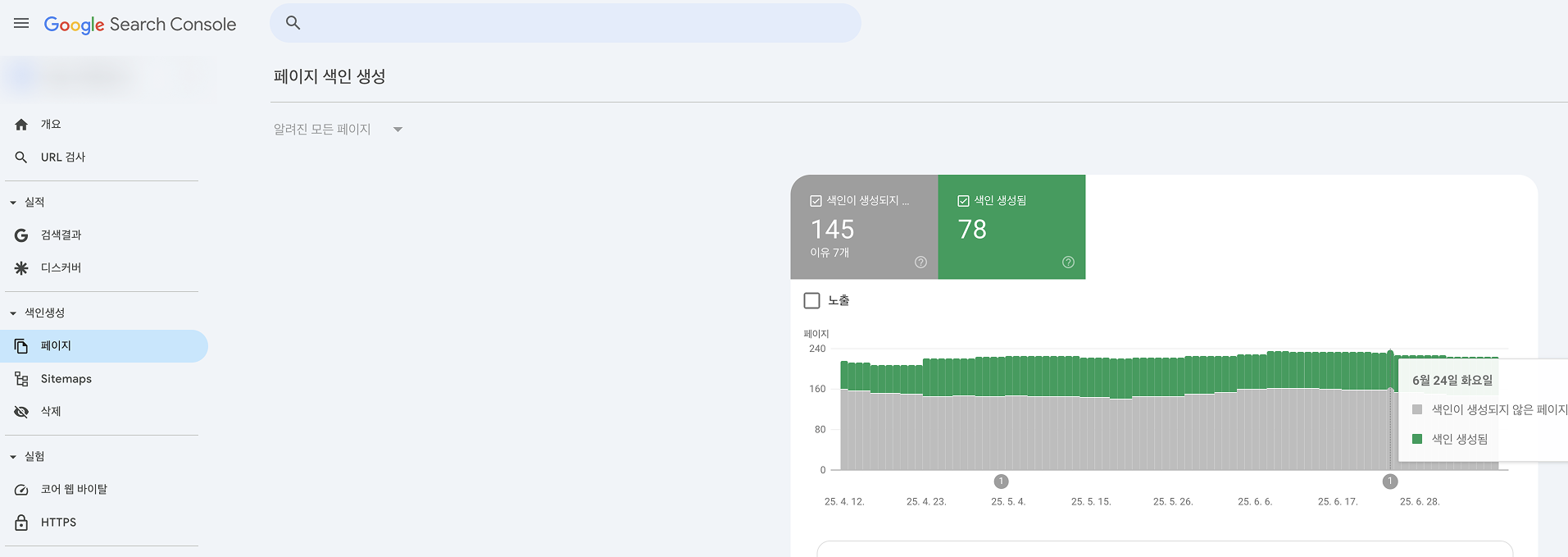
Content SEO goes beyond simply the matter of writing well-it is a structural strategy that delivers a clear message to both search engines and users. All the elements covered in this column-SEO keyword strategy, search intent analysis, structured writing, internal link design, and indexing strategy-must be organically connected before they can finally lead to search performance.

About the Author
Joshua: Lead SEO Consultant
- Built a zero-cost structure generating KRW 1.2 billion in annual revenue through SEO alone - Closed a KRW 700 billion deal through SEO alone - Low-cost, high-efficiency marketing specialist Former) Marketing Lead at a financial services firm Current) Runs SEO/GEO agency 238lab Track record) Led multiple SEO consulting projects, including Korea's No.1 AI community